Professional Flat Clearance in Barbican for Homes and Flats
Flat clearance in Barbican is the straightforward way to clear unwanted furniture, household items and general clutter from a property without turning the job into a disruption. Whether you need to empty a studio flat, deal with a probate property, make room for a move or clear a rental between occupancies, we help you decide what goes, what can be reused and what needs responsible disposal. If you are planning a larger clear-out, start by outlining the rooms, access and the main items involved, then contact us to talk through the work.
Our service is set up for customers who want a practical, well-organised clearance rather than a vague promise. The right approach depends on the property, the volume of items, whether anything is bulky or difficult to move, and whether there are separate materials such as appliances, mattresses, office furniture or garden items. That is why we focus on clear communication first: you explain what needs removing, we explain how the work can be handled, and you can decide what level of help makes sense.
For many people, the main concern is not simply getting rid of things. It is making sure the work is handled with care, that the property is left ready for its next stage and that useful items are not thrown away unnecessarily. A good clearance service should reduce stress, save time and keep the process manageable. If that is what you need, our team can help with flat clearance, house clearance, furniture removal and related waste removal work across the local area.
What our Barbican flat clearance service covers
Flat clearance can mean different things on different jobs, so it is worth being specific from the start. In some properties, the task is limited to a few large pieces such as a sofa, wardrobe, bed frame or white goods. In others, the job involves a complete property clear-out with mixed contents, bags, boxes, loose household items and anything left behind after a tenancy or sale.
We provide a service that is designed to deal with the actual clearance requirement, not just the easiest items in the room. That usually includes lifting, carrying, loading and removing items from the property, plus separating what can be handled more appropriately. If you need support with broader domestic clearance, the same approach can be useful for a home clearance, a house clearance or a smaller furniture clearance where only certain items need to go.
Some jobs are simple and some are awkward. A single room filled with box files and small furniture may be easier to clear than a room with heavy wardrobes, bookcases or appliances that need careful manoeuvring through tight hallways. Flats often create access challenges, especially where there are stairs, shared entrances, lifts or parking restrictions. That is why a realistic description of the property matters as much as the list of items.
If the work involves a mix of materials, it helps to think in categories. For example, a clearance might include standard household furniture, domestic rubbish, fabric items, electrical goods or bulky waste that needs different handling. The more clearly you can describe the load, the easier it is to plan the job sensibly. If you are not sure whether something is suitable for removal, tell us what it is and we can help you decide on the next step.
We also regularly speak to people who are dealing with a property after a move, a refurbishment, a tenancy change or a bereavement. Those situations can make even a simple clearance feel more demanding. The point of the service is to reduce the number of decisions you have to make on the day. You do not need to sort everything into perfect piles before getting in touch; a clear description of the job is usually enough to start the conversation.
- Single-item and bulky-item removals, including sofas, beds and wardrobes
- Room-by-room or whole-property flat clearance
- Clearance after a move, tenancy end or probate situation
- Removal of mixed household items, bags, boxes and general clutter
- Support with heavier or awkward items that need careful handling
When a clearance includes items that could be reused, donated or recycled, it is worth saying so early. That does not always change the practical work you need on site, but it can affect how the job is organised. If you also need help with a specific type of item, our related services such as furniture disposal, mattress and sofa disposal or fridge and appliance removal may be relevant depending on what needs to go.
How the clearance process usually works
We aim to keep the process as simple and transparent as possible. You do not need a long checklist before making contact, but a few details will help us understand the job properly and advise you in a useful way. The first step is usually to tell us the type of property, the approximate amount of items, and whether anything is especially large, heavy or difficult to move.
- Tell us what needs removing and where the property is.
- Let us know the main items, access details and any time constraints.
- We discuss the most suitable way to handle the clearance.
- You confirm the work once the details are clear.
- The clearance is completed and the property is left ready for its next use.
That sequence sounds simple, but the details matter. For example, a ground-floor flat with straightforward access is very different from an upper-floor flat with narrow stairs and limited parking. A small number of bulky items may be quicker to remove than a larger number of lighter objects that still need sorting, bagging and carrying. When you explain the job clearly, you help us match the work to the right level of support.
It is also useful to mention if anything needs special care. This could include fragile furniture, fixtures that need to be left in place, items that are too large for standard lifts or pieces that may need to be dismantled before removal. If dismantling is required, say so before the job is booked rather than assuming it will be handled automatically. The same applies to access problems, key collection, loading restrictions or the need to work around neighbours or building rules.
Clearances often go better when the customer knows what outcome they want. Some people want every item removed, while others only want selected rooms emptied. Some need a property cleared for handover, while others want to create space for decorating or storage. If you are unsure what scope is sensible, we can help you think it through before the work starts. That is often the difference between a stressful tidy-up and a job that feels controlled and manageable.
Where a job overlaps with other types of work, it is best to separate those needs rather than bundling them together in a vague description. A flat clearance does not automatically include building debris, office waste, garden cuttings or specialist disposal. If the work extends beyond domestic contents, related pages such as builders waste clearance, office clearance and garden clearance can help you match the task to the right service.
When flat clearance is the right choice
Flat clearance is often the best option when the property contains more than a few items and the job needs to be finished efficiently. It suits situations where you do not want to hire a vehicle, arrange repeated trips or struggle with heavy lifting on your own. It is also useful when the property needs to be emptied in a set order, because the contents need to be removed before cleaning, decorating, sale preparation or a new tenancy.
People also choose flat clearance when the contents are mixed and awkward. A cupboard full of loose items, a stack of old chairs, a broken bed frame and a few bags of miscellaneous clutter can easily become a bigger task than it first appears. The value of a proper clearance service is that it deals with the full job rather than leaving you to manage the difficult bits yourself. If you only need part of the property cleared, that is fine too; the work can be scaled to the actual need.
There are times when a targeted removal is enough, and times when a more complete clearance makes more sense. If you are clearing a single lounge, for example, you may only need help with furniture and a few bulky items. If you are emptying an entire flat after a change in occupancy, it is usually better to discuss the whole space at once. That avoids gaps in the plan and helps you decide whether the work should be treated as a partial or full clearance.
Many customers also want a service that is considerate of reusable items. While every job is different, a thoughtful approach means looking at what can be separated before disposal. The aim is not to overpromise a recycling result, but to handle the contents sensibly and avoid sending useful items to waste unnecessarily. If you need a broader overview of disposal choices, the pages on recycling and sustainability and what can go in a skip may also help you think through the most suitable option for your project.
If you have a flat clearance in mind but are not yet sure how much work is involved, a short discussion is usually enough to narrow it down. Tell us the property type, the rooms involved and the main items. From there, you can decide whether you need a full clearance, a partial clearance or a more itemised removal of furniture and waste.
What affects the price of a flat clearance?
Because every flat clearance is different, the cost is usually shaped by the work involved rather than by a one-size-fits-all number. The most useful way to think about pricing is to consider what the team has to move, how easy it is to access, how much time the job is likely to take and whether any items need special handling. A brief description of the property often gives a clearer picture than a guess based only on room count.
The first factor is the volume of items. A small pile of bagged contents is not the same as a full flat with furniture, appliances and multiple rooms of belongings. The second factor is weight and bulk. Heavy wardrobes, sofas, white goods and bookcases generally require more effort than lighter household clutter. The third factor is access. Stairs, narrow hallways, shared entrances, parking restrictions and long carrying distances can all affect the amount of work involved.
Another important factor is the type of material. General household contents are usually simpler to handle than mixed loads that include electrical items, fridges, mattresses or other bulky pieces requiring separate disposal arrangements. If the job includes items that need dismantling, lifting over awkward spaces or moving from several rooms, that should be considered too. In other words, the clearer the job description, the more accurately the work can be assessed.
When you are comparing quotes, make sure you are comparing the same scope of work. One quote might cover only the obvious items, while another may include the full contents, loading time and removal from upper floors. A fair comparison should take the exact items, access conditions and any extras into account. If you want to understand the wider service structure before booking, take a look at our pricing and quotes information.
It is usually better to describe what you need removed than to focus only on a price target. That gives the team the information needed to recommend the right kind of service. If you have a fixed date or a particular deadline, mention that too. Even when a customer only needs a small clearance, the quote still depends on the same practical questions: what is being removed, how much of it there is and how difficult it will be to take out.
For a job that includes furniture, appliances or a mixture of contents, a photo can often help clarify the scale. If you can send a simple description along with access details, that is usually enough to start the quoting process. You do not need to write a long inventory, but the more accurate the description, the easier it is to avoid surprises later. If you are ready to move ahead, use the contact details on this site or the contact us page to begin the conversation.
About our service and the support we offer
Our work is focused on practical clearance jobs for local customers who want the contents of a property removed properly and with minimal fuss. That includes small clear-outs, larger flat clearances and related domestic removal work where furniture and general items need to be taken away efficiently. We also help customers who are dealing with a property that has become cluttered over time and now needs a clean start.
The aim is to make the work easy to understand. Rather than leaving you to guess what is included, we encourage you to describe the items, access and scope in plain language. That helps us identify whether the job is best treated as a flat clearance, a furniture removal or a more general waste removal task. In some cases, the simplest option is not the most obvious one, and a short conversation can save a lot of back-and-forth later.
If you are arranging clearance for a tenancy, sale or renovation, it is often sensible to coordinate the removal with the next stage of the property work. Contents should ideally be cleared before decorating or deep cleaning begins, and bulky items should be removed before anyone starts moving equipment through the space. The result is a cleaner handover and fewer delays. If the job is commercial rather than domestic, our business waste removal and waste removal pages may be more suitable.
We also understand that some clearances are emotionally difficult. A property may need to be emptied after a bereavement, during a family transition or after a long period of accumulation. In those situations, clear communication matters just as much as physical effort. You should not have to explain the job repeatedly or worry that the scope has been misunderstood. A good service should remove uncertainty as well as items.
If the property contains a mix of furniture and loose items, it can help to separate what you definitely want removed from what you want to keep. That does not mean everything needs to be sorted perfectly in advance; it simply gives the team a clear starting point. You can also mention anything that requires extra caution, such as fragile belongings, shared access areas or items that should stay in place.
For customers who want to make the most of a clearance, related services can be combined in the right circumstances. A flat clearance may sit alongside garage clearance, loft clearance or a focused furniture disposal job, depending on the property and the number of items involved. The key is to match the service to the actual task rather than trying to force everything into one category.
Flat clearance in Barbican and the surrounding area
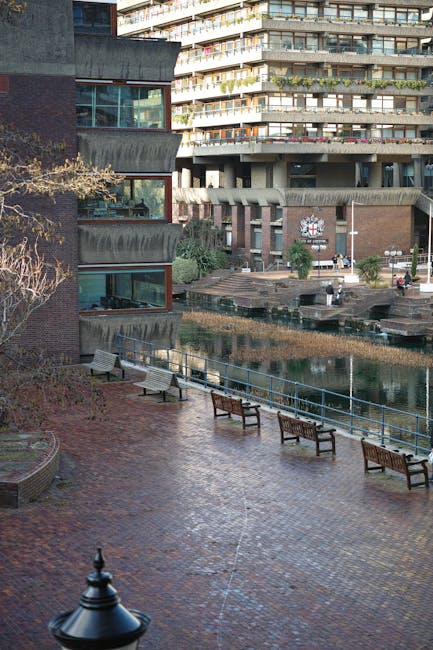
Barbican is a distinctive part of central London, known for its residential estates, walkways and the Barbican Centre. The area brings together apartments, office buildings, cultural venues and transport links, which means many residents and building managers need practical services that fit into a busy urban environment. Flat clearance here often has to take account of shared access, limited loading space and the simple fact that people want disruption kept to a minimum.
The local housing mix creates a range of clearance needs. Some properties are compact and straightforward, while others involve larger flats with multiple rooms, storage areas or a mix of long-kept belongings. The architecture and layout of the area can make access more important than in a typical suburban street. That is why clear details about entrances, floor level, lift access and nearby parking are useful when arranging a job. A sensible plan can make the difference between a clearance that feels orderly and one that becomes time-consuming.
Barbican also sits close to several well-known parts of central London, so people often combine domestic tasks with work in nearby neighbourhoods. Customers sometimes mention nearby areas such as Farringdon, Clerkenwell and Moorgate when describing where they are coming from or where a property is located. Those references can be useful when explaining access, transport or timing, but the service itself still needs to be matched to the actual property and the items involved.
The area is well connected by underground and mainline rail, and that helps customers organise property work around busy schedules. At the same time, the built environment means that simple jobs can require more care than they first appear to. Narrow access routes, residents’ entrances and loading restrictions can all affect how a clearance needs to be carried out. If you are arranging removal from a flat in the area, it helps to think about the logistics as well as the contents.
A useful local resource for household disposal
If you are handling any part of the job yourself, it is worth checking local household disposal guidance before moving items. The City of London Corporation’s household waste and recycling information is useful for understanding what can be taken for resident disposal and what needs separate handling. That is especially important for bulky items, electrical goods and any material that should not be left at a standard household collection point. Always check current rules before travelling with waste, because accepted materials and access conditions can change.
For many customers, the best approach is to separate simple reusable or recyclable items from the rest of the clearance and let the team handle the difficult pieces. That can make the job more efficient and avoids unnecessary trips. If you are deciding whether to clear the property yourself or book help, remember that a flat clearance is not just about carrying items out of the door. It is about planning access, handling the bulk, and making sure the contents are dealt with properly.
Ready to arrange your clearance?
If you need a reliable way to clear a flat in Barbican, the best next step is to gather the main details and get in touch. A short description of the property, the items involved and any access issues will usually be enough to start. If you are comparing options, focus on what is included in the job, what needs separate handling and how clearly the service matches your actual needs.
We handle the kind of clearance work that helps a property move forward: furniture removed, rooms cleared and the job completed in a practical, organised way. Whether you are looking for a partial clearance or a full property emptying, the aim is the same - to make the process simpler and easier to manage. When you are ready, contact us and we can talk through the most suitable option for your flat clearance in Barbican.
For related work, you may also want to consider our house clearance, home clearance, builders waste clearance or office clearance pages, depending on the type of property and the contents that need removing.