Health & Safety Policy — Flat Clearance Barbican
 Purpose: This Health and Safety policy sets out the commitment of our rubbish removal and flat clearance teams to operate safe, efficient and compliant flat clearance services in the Barbican and surrounding service area. The policy focuses on hazard prevention, risk control and the wellbeing of staff, contractors and residents while undertaking flat clearance, waste clearance and rubbish removal work. It establishes clear responsibilities, safe working standards and practical controls so that every flat clearance job is carried out with respect for health, safety and environmental stewardship.
Scope: This policy applies to all personnel engaged in flat clearance, household waste removal, bulky item collection and related site preparation activities across our operational service area. It covers routine clearances, end-of-tenancy removals, and coordination with communal building services where necessary. The document emphasises safe manual handling, appropriate personal protective equipment (PPE), safe vehicle loading and segregation of recyclable and hazardous materials to minimise injury and contamination risks.
 Responsibilities: Management will ensure the provision of adequate training, resources and supervision for safe rubbish company operations. Supervisors are responsible for pre-job risk assessments, ensuring staff competence and enforcing safety protocols. All operatives must follow safe systems of work, use issued PPE and report hazards, near misses and accidents promptly. The policy encourages a safety-first culture where every team member is empowered to stop work if conditions are unsafe.
Risk Assessment and Control Measures
 Risk assessments are completed for each flat clearance assignment, identifying hazards such as manual handling injuries, slips and trips, sharps and contaminated materials, vehicle movement in communal areas and the presence of hazardous household waste. Controls include task-specific assessments, safe lifting techniques, one-way systems for carrying waste out of properties, the use of mechanical aids where appropriate, and clear communication with property managers to reduce access risks.
 Key control measures implemented by our waste clearance teams include:
- Personal Protective Equipment: Mandatory gloves, high-visibility clothing, protective footwear and eye protection as required.
- Manual Handling Protocols: Team lifting, use of trolleys and sack barrows, and training in safe lifting techniques.
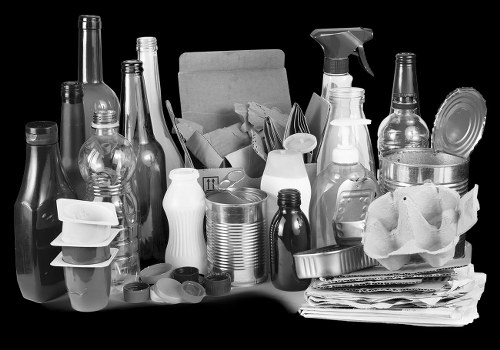
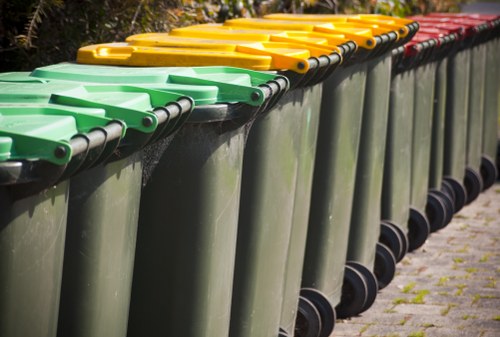
- Segregation of Waste: Clear separation of recyclables, general waste and potentially hazardous items to ensure safe transport and lawful disposal.
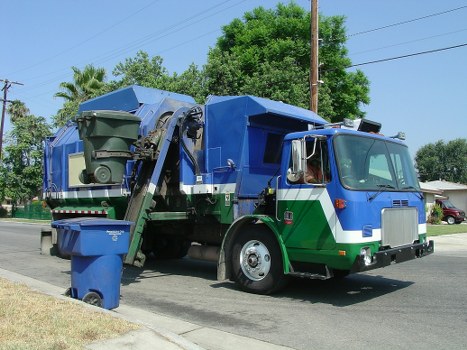
- Vehicle Safety: Secure loading practices, routine vehicle checks and arrangements to minimise vehicle movement in pedestrian areas.
- Infection Control: Procedures for handling biological waste and contaminated items with sanitation measures and safe disposal.
Training and Competence
Operatives must receive induction training on safe flat removal procedures, manual handling, PPE use and incident reporting. Regular refresher training and toolbox talks ensure ongoing competence. Supervisors monitor performance and provide corrective coaching where necessary. Recruitment emphasises physical capability and the ability to follow safety instructions; personnel new to bulky waste collection are paired with experienced staff until assessed as competent for independent work.
 Emergency Procedures and Incident Management: A clear emergency response plan is maintained for incidents such as injury, fire, fuel spill or contamination discovery during a clearance. First aid provision, fire extinguishers and spill kits are provided in line with risk levels. Incidents and near misses are recorded and reviewed to prevent recurrence. The policy supports a positive reporting culture to learn from events and improve operational safety.
Monitoring and Review: Health and safety performance is monitored through regular site inspections, supervisor checklists and periodic audits of vehicles and equipment. Performance indicators include accident rates, near-miss reports, compliance with PPE usage and successful completion of planned safety checks. The policy is reviewed annually or after significant operational change to ensure it remains aligned with best practice for flat clearance services and rubbish company activities in the service area.
Commitment: We are committed to providing safe flat clearance and rubbish removal solutions that protect our workforce, clients and the public. This policy promotes practical, proportionate measures to control risk while delivering efficient waste clearance and removal of household items. All staff, contractors and partners are expected to actively support this policy and contribute to continuous improvement in safety standards for every flat clearance project.